Apple Back to School Applique Review
As an embroidery designer who spends weekends hunched over a sewing machine and weekdays strategizing for craft fairs, I have developed a keen eye for what actually sells versus what just looks nice on a screen. When I first saw the Apple Back to School Applique, my immediate reaction was one of practical excitement. It is not just another generic fruit design; it is a targeted, high-conversion asset for anyone looking to capitalize on the back-to-school rush. In this review, I am breaking down exactly why this machine embroidery design deserves a spot in your production queue, how it performs across various handmade products, and what you need to watch out for during execution.
First Impressions: Bold, Vibrant, and Market-Ready
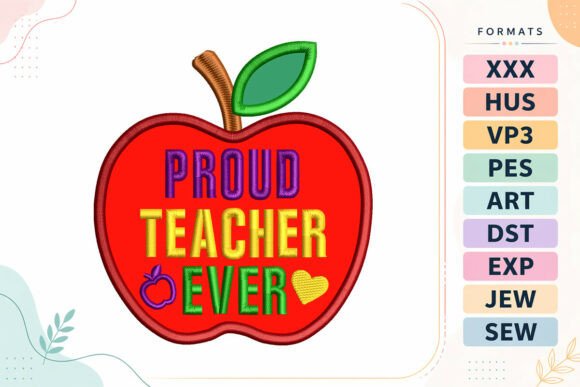
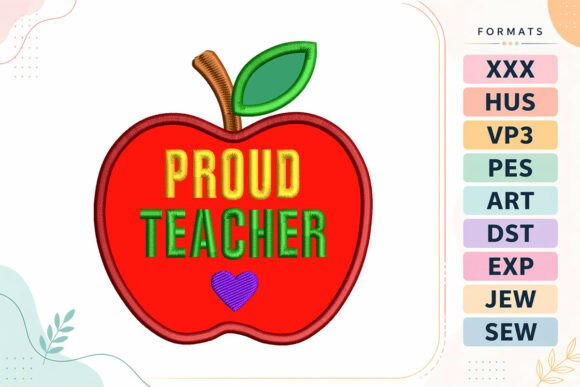
The moment you load the embroidery file, the design makes its presence known. The description highlights a "bold apple applique shape with vibrant lettering and a heart accent," which tells me immediately that this piece is designed to be seen. In the chaotic environment of a craft fair booth, subtlety often gets lost. Customers walk past dozens of tables in minutes. They are drawn to color, contrast, and clear messaging.
This design hits all three notes. The applique technique itself adds dimension, lifting the apple off the fabric surface. This texture catches the light and invites touch—a crucial factor in physical retail. The "vibrant lettering" suggests a modern, clean font that reads easily from a distance, while the heart accent softens the message, appealing to the emotional side of teachers and parents. It feels premium yet approachable, striking that perfect balance between a rustic farmhouse aesthetic and a bright, cheerful classroom vibe. For an Etsy seller or boutique maker, this visual appeal translates directly into higher click-through rates on listings and stronger engagement at live events.
Product Versatility: Where Does It Shine?
One of the biggest mistakes new designers make is limiting their designs to a single product type. The beauty of the Apple Back to School Applique lies in its adaptability. Here is how I see it performing across a diverse range of craftr fair products:
- Tote Bags: This is arguably the strongest application. A canvas tote bag is the uniform of the modern teacher. Placing this design on the front pocket or center chest of a sturdy canvas tote creates an instant tote bag design that screams utility and pride. The bold colors will pop against natural canvas or navy blue fabrics.
- Aprons: Kitchen aprons are a staple gift item. Whether it is for a teacher’s home kitchen or a school cafeteria volunteer, this apron embroidery adds a personal touch. The applique shape works well here because it does not overwhelm the garment; it serves as a charming focal point.
- Tea Towels: The description mentions this is "perfect for tea [towels]." Tea towels are low-cost impulse buys. Because the design is likely compact enough to fit on a standard 12x16 inch towel, it allows for batch production. You can stitch these quickly, fold them neatly, and sell them in bundles. The tea towel embroidery market is competitive, so having a unique applique element gives you an edge over simple printed towels.
- Embroidered Patches: If the design includes a clean border, it can be digitized as a detachable patch. Teachers love customizing backpacks and lunchboxes. Selling these as standalone embroidered patches opens up a new revenue stream for small shop owners who want to offer lower-priced entry points.
- Caps and Headwear: Baseball caps are evergreen sellers. However, curved surfaces present challenges (more on that below). If the design scales well, it can work beautifully on the front panel of a cap, offering a structured look that appeals to both teachers and students.
- Fabric Pouches and Pillow Covers: Small zippered pouches for pens or makeup are trendy. The Apple Back to School Applique fits perfectly in the corner of these items. Similarly, pillow covers for a teacher’s lounge or a student’s dorm room add a cozy, decorative touch.
Production Realities and Technical Considerations
While the concept is strong, the devil is in the details. As a professional, I always advise testing before you commit to mass production. Here are the critical factors to evaluate when working with this digital embroidery file.
Stitch Density and Detail
Applique designs require careful attention to stitch density. If the satin stitches around the apple shape are too dense, the fabric may pucker, especially on lightweight materials like thin cotton tees or delicate linen. Conversely, if the density is too low, the stabilizer may show through, ruining the professional finish. You must inspect the underlay stitches to ensure they hold the fabric taut without distorting the shape. Also, pay close attention to the lettering. Is the text large enough to remain legible? Tiny letters often blur together in embroidery, turning into a muddy blob of thread. Ensure the font weight is sufficient for the final product size.
Fabric Texture and Color Contrast
The success of this design hinges on thread colors and fabric choice. The description promises "vibrant" elements, which means you need high-contrast backgrounds. Dark fabrics like charcoal or navy will make bright red apples and white/yellow text stand out sharply. Light fabrics like cream or pale yellow might wash out the vibrancy unless you use darker, richer thread tones. Be wary of highly textured fabrics, such as heavy waffle-weave tea towels or nubby linens. These textures can obscure fine details and make the applique edges look jagged. Stick to smooth weaves for the cleanest results.
Hoop Size and Placement
Before designing your inventory, confirm the hoop size required by the file. A design that requires a large hoop limits the types of products you can embroider. You cannot easily hoop a full-sized tote bag in a small frame without awkward repositioning, which risks misalignment. Ideally, this design should fit comfortably within a standard 4x4 or 5x7 inch hoop to maximize versatility. Check the spacing in the digitization to ensure there is enough margin around the design so it doesn’t get cut off or look cramped near seams and pockets.
Curved Surfaces and Caps
If you plan to produce caps, remember that flat embroidery machines struggle with curved panels unless you have specialized attachments. The tension needs to be adjusted for the thicker brim and seam allowances. Test a sample on a cap blank to ensure the apple shape sits flush and doesn’t gap at the sides. If the design is too wide for a standard cap front, it may look unbalanced.
Marketing and Visual Appeal
From a marketing perspective, the Apple Back to School Applique is a powerhouse. It taps into the "Proud Teacher" emotion, which drives sales. When creating your printable mockup for online listings, focus on lifestyle shots. Show the tote bag being carried to school, the apron in a sunlit kitchen, or the patch on a child’s backpack. These images help customers visualize the finished product in their own lives.
The design’s clarity at a glance makes it excellent for social media ads. The bold colors stop the scroll. For craft fairs, hang your samples at eye level. The dimensional quality of the applique will draw people in from further away than flat prints. It signals quality and care, elevating the perceived value of your small shop product. Buyers are willing to pay more for items that look professionally made and thoughtfully designed.
Final Designer Notes
To ensure your launch is successful, follow these best practices:
- Test on Scrap: Never skip the test stitch. Use the exact fabric and stabilizer you plan to sell with. Check for puckering, thread breaks, and color accuracy.
- Review Spacing: Zoom in on the digital file. Are the gaps between letters tight? Is the heart accent balanced? Adjust if necessary in your software.
- Confirm Licensing: Before selling any commercial embroidery items, verify the license terms of the design assets. Ensure you have the right to sell finished goods.
- Create Mockups: Produce at least one real physical sample. Photograph it in natural light. Compare different fabric colors to find the most visually striking combination.
- Batch Production: Once perfected, streamline your process. Pre-cut applique shapes, pre-stabilize fabrics, and organize your thread stand for efficiency.
In conclusion, the Apple Back to School Applique is a smart, versatile, and visually appealing addition to any embroiderer’s library. It addresses a specific market need with a design that is both functional and emotionally resonant. By paying attention to technical details like stabilizer selection and fabric texture, you can create high-quality handmade gifts that stand out in any craft fair or online store. It is a proven formula for success in the world of back to school merchandise.