Artist s Paint Palette Review for Embroidery
As an experienced embroidery designer who frequently sources digital assets for both personal projects and commercial client work, I am always looking for designs that balance artistic charm with technical reliability. Recently, I evaluated the Artist s Paint Palette from Creative Fabrica to see if it would be a viable addition to my portfolio of handmade goods. This review is not just about how the design looks on a screen; it is about how it performs when transferred to fabric, stitched by a machine, and presented as a finished product in a boutique or online shop.
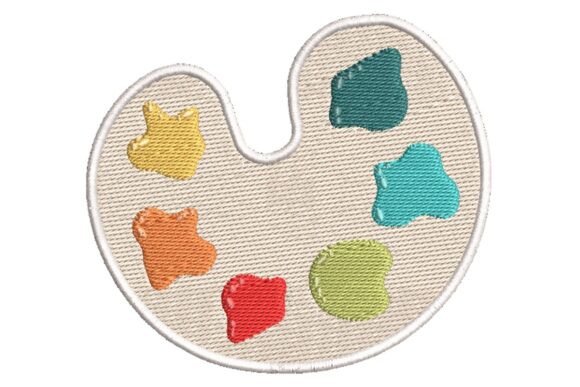
The concept is simple yet evocative: a classic artist's paint palette featuring a thumbhole and dabs of vibrant colors including yellow, orange, red, teal, light blue, and light green. While this fits naturally into the Back To School category, its appeal extends far beyond the classroom. It represents creativity, artistry, and the joy of making things, making it a versatile choice for various markets ranging from nursery decor to adult apparel.
First Impressions and Visual Appeal
When you first open the file, the visual mood of the Artist s Paint Palette is immediately inviting. The color separation is distinct, which suggests that the final stitch-out will have a playful, painterly aesthetic. For designers targeting Etsy sellers or craft fair attendees, this design offers a strong hook. It does not look like a generic clipart; instead, it feels hand-crafted even before the thread touches the fabric.
The inclusion of specific colors like teal and light green alongside warm tones creates a balanced composition. This variety allows the design to pop on neutral backgrounds while still maintaining harmony on colorful fabrics. Whether you are creating a personalized gift for an art teacher or a decorative pillow for a home studio, the design brings a sense of whimsy that customers love. It serves as a perfect example of a machine embroidery design that bridges the gap between digital assets and tactile handmade products.
Performance in Real-World Projects
I tested the concept of this design against several common project types to gauge its versatility. One of the most promising applications is on tote bags. The theme of art aligns perfectly with the utility of a bag, making it an ideal candidate for a tote bag design. The layout of the palette works well on the front panel of a canvas tote, offering a focal point that doesn't overwhelm the item.
For those looking to expand into custom apparel, this design shines on sweatshirts and aprons. An apron embroidered with the Artist s Paint Palette adds a professional yet friendly touch, suitable for a local pottery studio or a cooking class. Similarly, on a sweatshirt, it can serve as a statement piece for creative entrepreneurs or students. The design also translates beautifully to baby items, such as a nursery blanket or a onesie, where the soft colors and cute motif create an emotional connection with parents.
If you specialize in accessories, consider using this as an embroidered patch or for cap decoration. The compact nature of a palette makes it manageable for curved surfaces, provided the hoop size is appropriate. However, for smaller items like caps, you must ensure the digitization accounts for the curve to avoid distortion in the paint dabs.
Technical Considerations and Stitching Strategy
While the visual potential is high, practical execution requires careful planning. When working with a design that features multiple small details, such as the individual dabs of paint, stitch density becomes a critical factor. If the fill stitches are too dense, the fabric may pucker, especially on lightweight materials like kitchen towels or thin cotton tees. Conversely, if the density is too low, the colors may not cover the fabric sufficiently, resulting in a muddy appearance.
Stabilizer selection is paramount for this type of project. Since the design includes a mix of satin stitches for outlines and fill stitches for the paint blobs, a cut-away stabilizer is often recommended for stability, particularly on stretchy fabrics like jersey for t-shirts or sweatshirts. For woven items like pillow covers or tote bags, a tear-away might suffice, but testing is always the safest route.
Thread color contrast is another area to watch. The description mentions specific hues like yellow and light blue. On dark fabric, these colors may require a higher thread count or a underlay layer to appear vibrant. Always compare light and dark fabric mockups before committing to a full production run. If you are selling finished products, the consistency of the thread quality directly impacts the perceived value of the item.
Handling Small Details and Texture
The thumbhole and the edges of the palette likely involve running stitches or fine satin work. These areas demand precision. If your machine has trouble navigating tight turns, the thumbhole might appear distorted. It is crucial to inspect small details after stitching to ensure they are crisp. Additionally, textured fabrics can hide fine details, so smooth fabrics are generally better for showcasing the intricate "dabs" of paint.
For commercial embroidery projects involving frequent washing, such as kitchen towels or children's clothing, the durability of the design is key. Ensure that the file uses adequate stitch types to prevent fraying over time. A well-executed digital embroidery file should withstand repeated laundering without losing its shape or definition.
Impact on Product Value and Branding
In the world of handmade shops and boutique merchandise, presentation is everything. A high-quality stitch-out of the Artist s Paint Palette elevates the perceived value of the product. Customers are willing to pay a premium for items that look professionally made. This design supports brand consistency by offering a recognizable symbol of creativity that can be used across different product lines, from apparel to home decor.
Furthermore, this design is highly photogenic. In the era of social media marketing, having a visually appealing product for your printable mockup or Instagram posts is essential. The colorful nature of the palette draws the eye, making it an excellent subject for product photography. It helps generate customer engagement by resonating with buyers who identify as artists, teachers, or creative souls.
Practical Steps Before You Start
Before integrating this design into your workflow, there are several steps every serious designer should take. First, test on scrap fabric to verify the hoop size and tension settings. Check the thread color contrast against your intended fabric choices. Review the stitch density to ensure it matches your machine's capabilities.
It is also vital to confirm file details and licensing on the Creative Fabrica product page. Understanding the terms of use regarding commercial sales ensures you can sell your finished products without legal issues. Do not assume the specifications; verify the file formats and any specific instructions provided by the creator.
Ultimately, the Artist s Paint Palette is a strong asset for any designer looking to add a touch of artistic flair to their collection. Whether you are producing a single personalized gift or scaling up for a larger line of custom apparel, this design offers a reliable foundation for success. By paying attention to the technical nuances of stabilization, thread selection, and fabric choice, you can transform this digital concept into a treasured physical object.
For those exploring Creative Fabrica embroidery options, this design stands out as a thoughtful choice that balances aesthetics with practical application. It invites creativity in both the design process and the end-user experience, making it a worthy investment for your next project.