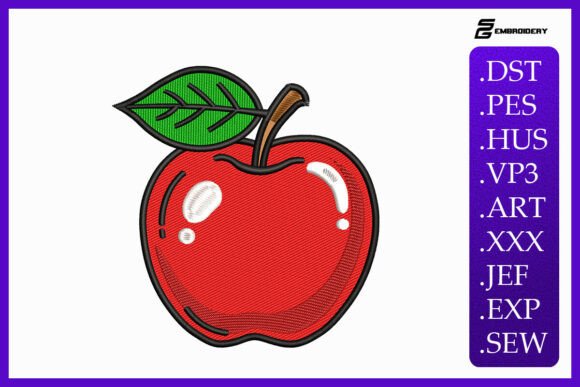
Classic Red Apple Embroidery Review
As an embroidery designer who has spent years refining designs for commercial production, I look at a digital file and immediately start thinking about the finished product. How will it sit on a cap? Will it hold up after twenty washes? Does it communicate the right brand message? When reviewing the Classic Red Apple design, my focus is not just on aesthetics, but on its viability as a core asset for small business merchandise, branded patches, and custom apparel.
This design claims to add a timeless touch to your projects, positioning itself as a versatile solution for teacher gifts, tote bags, aprons, kitchen towels, baby clothes, and seasonal décor. But for the serious entrepreneur or Etsy seller, "versatile" is a buzzword that needs proof. In this review, we break down how the Classic Red Apple performs in real-world business applications, where it shines, and where you need to exercise caution before sending it to the hoop.
First Impressions: Visual Personality and Brand Fit
The title "Classic Red Apple" suggests a design that leans into tradition rather than trendiness. From a visual standpoint, this implies a clean, bold silhouette that reads clearly even from a distance. For small business owners, especially those in the food, education, or lifestyle sectors, this simplicity is a massive advantage. A design that feels professional, friendly, and slightly rustic can bridge the gap between handmade authenticity and polished branding.
In the context of brand identity, the Classic Red Apple works exceptionally well for businesses that want to convey freshness, health, or nostalgia. It is not overly decorative or fussy, which means it avoids looking cluttered when digitized. Whether you are running a boutique bakery, a local florist, or a handmade craft studio, this apple design offers a neutral yet cheerful canvas. It feels premium because it relies on strong form rather than excessive detail, ensuring that your logo remains recognizable whether it is stitched onto a high-end tote bag or a budget-friendly keychain.
Real-World Business Applications
Let’s move beyond the screen and look at how this embroidery file translates to physical products. The description highlights several key use cases, and each presents unique opportunities for revenue generation.
- Embroidered Patches: One of the most profitable items for small brands is the embroidered patch. The Classic Red Apple is ideal for this format. Its solid shapes and clear outlines allow for clean satin stitching around the perimeter, making it perfect for iron-on or sew-on patches. These can be sold individually as accessories or attached to denim jackets, beanies, and backpacks as part of a curated collection.
- Apron Embroidery: For cafes, bakeries, and culinary schools, branded aprons are essential uniform pieces. This design fits beautifully on the chest pocket or lower hem of a white or navy apron. It adds a pop of color without overwhelming the garment, reinforcing the brand’s connection to food and hospitality.
- Tote Bag Design: Tote bags remain a staple for small business merch. A single, centered Classic Red Apple on a canvas tote creates a minimalist, chic look that appeals to eco-conscious consumers. It is simple enough to be produced in bulk but distinctive enough to serve as a walking billboard for your shop.
- Cap Embroidery: Structured caps require designs that are compact and legible. If the Classic Red Apple is sized correctly, it works wonderfully on the front panel of a dad hat or trucker hat. It pairs well with minimal text, creating a cohesive headwear line that customers love to wear out in public.
- Kitchen Towels and Baby Clothes: These items fall under the gifting category. The soft, classic nature of the apple design makes it appropriate for nursery wear or kitchen linens. It evokes a sense of warmth and care, which drives engagement among parents and home cooks looking for personalized gifts.
Strategic Use Cases and Limitations
While the Classic Red Apple is versatile, no design is universally perfect. As a designer, I advise clients to be strategic about where they place this asset. Understanding the limitations of digitization is key to avoiding costly mistakes.
There are specific scenarios where you should proceed with caution. First, consider small patch sizes. If you plan to produce patches smaller than two inches, ensure the digitizer has simplified the internal details. Too much fine detail at a tiny scale will result in a muddy, indistinguishable blob. Similarly, on curved surfaces like the front of a baseball cap, the design must be slightly flattened or angled to follow the curve; otherwise, it may pucker or distort.
Another critical factor is stitch density. If the original file uses heavy fill stitches for the red body of the apple, it might become stiff and uncomfortable on delicate fabrics like thin cotton tees or silk blends. For dark uniforms, you must ensure there is sufficient underlay stitching to prevent the fabric from showing through the red thread. Also, avoid using this design for tiny lettering if the file includes small text alongside the apple; small text often becomes illegible in embroidery unless specifically optimized for it.
Fabric Texture and Washing Durability
The longevity of your branded goods depends heavily on the interaction between the thread and the fabric. On textured fabric like burlap or heavy tweed, the definition of the apple may be lost. It is best suited for smoother materials like cotton twill, polyester blends, or jersey knit. Furthermore, for items that require frequent washing, such as work shirts or kitchen aprons, ensure the file uses durable stitch patterns that resist fraying. Always test the design on the actual fabric you intend to use before committing to a large production run.
Impact on Brand Identity and Customer Trust
Every stitch contributes to how your customer perceives your brand. A well-executed embroidery project signals quality and attention to detail. When a customer receives a tote bag or wears a cap featuring the Classic Red Apple, they are engaging with your handmade product narrative. Consistency in these visual assets builds customer trust and recognition over time.
If your brand values are rooted in natural ingredients, education, or community, the apple motif reinforces those values subconsciously. It creates a visual shorthand that tells the story of your business before the customer even reads your tag. This emotional connection drives repeat purchases and word-of-mouth referrals, which are vital for any commercial embroidery venture.
Practical Designer Notes for Production
Before you start mass-producing items with the Classic Red Apple, follow these practical steps to ensure a professional finish:
- Test in Black and White: Convert the design to monochrome first. This helps you evaluate the balance and spacing of the elements without the distraction of color. If it looks good in black and white, it will look great in full color.
- Check Thread Color Contrast: Ensure the red thread stands out against your chosen fabric. On dark backgrounds, you may need a white underlay or a brighter shade of red to maintain visibility.
- Review Spacing and Hoop Size: Confirm that the hoop size accommodates the design without awkward cropping. Adjust the placement to ensure adequate margin space, especially for patches and caps.
- Use Proper Stabilizer: The choice of stabilizer (cut-away vs. tear-away) affects the final drape and durability. For stretchy fabrics, always use cut-away stabilizer to prevent distortion.
- Create a Printable Mockup: Before sewing, generate a printable mockup to show clients or stakeholders. This allows for approval on sizing and placement without wasting material.
- Confirm Commercial Licensing: Most importantly, verify the commercial licensing terms of the digital embroidery file. Ensure you have the legal right to sell products made with this design. Never assume personal-use licenses cover commercial merchandise.
By treating the Classic Red Apple not just as a graphic, but as a functional design asset, you can maximize its potential across your product line. It is a reliable, charming, and commercially viable option for any brand looking to elevate their embroidered merchandise with a touch of classic appeal.