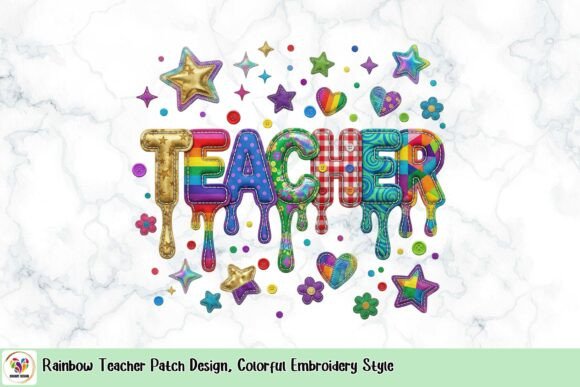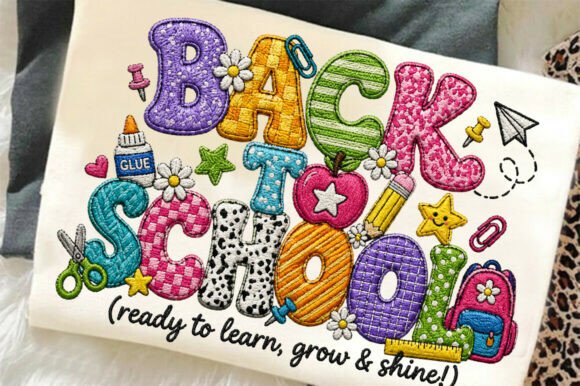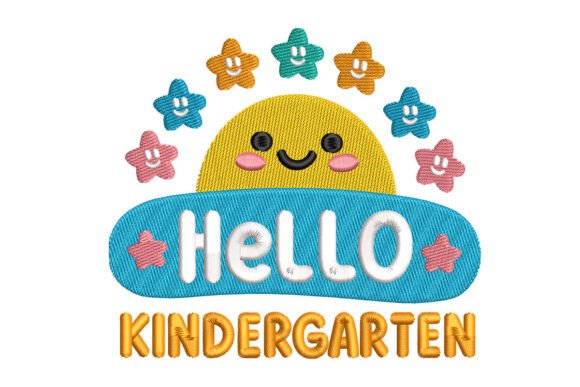
Faux Embroidery Style Kindergarten PNG Review
As an embroidery designer, I spend a significant amount of time evaluating digital assets before committing them to the hoop. There is a distinct difference between a graphic that looks good on a screen and one that translates successfully into thread. Recently, I reviewed the Faux Embroidery Style Kindergarten PNG from Creative Fabrica for potential use in a real-world commercial project. Specifically, I was considering this design for a line of teacher appreciation gifts, including tote bags, sweatshirts, and aprons. This review breaks down my honest assessment of how this asset performs as a machine embroidery design alternative or print-ready graphic, focusing on its practical application for small business owners and crafters.
First Impressions: Visual Mood and Detail Level
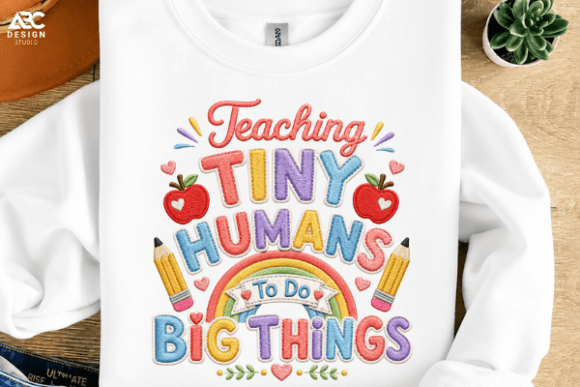
The moment I opened the file, the visual mood struck me as incredibly cozy and inviting. The title "Teaching Tiny Humans To Do Big Things" suggests a sentimental value, which is crucial for the kindergarten and early education market. The design features a faux embroidery style, meaning it mimics the texture and depth of real stitching without requiring actual digitization. For designers who do not have access to high-end digitizing software or wish to reduce production time, this is a compelling option.
The detail level is meticulous. Even at smaller scales, the simulated satin stitch effects hold their shape well against the fill stitches. The decorative appeal is high-end, avoiding the cheap look that often plagues lower-resolution clipart. It feels like a premium design asset that can elevate a simple white cotton tote bag into a boutique-quality item. The personality of the design is warm and encouraging, making it naturally suited for products aimed at educators and parents.
Performance in Real Embroidery Work
When considering whether to use this embroidery file directly or as a base for sublimation/printing, several factors come into play. If you are using this as a direct print for heat transfer vinyl (HTV) or sublimation onto custom apparel, the clarity is excellent. However, if you are attempting to replicate this look with real thread, you must consider the limitations of physical embroidery.
- Custom Apparel: On heavy fabrics like hoodie fleece or denim jackets, the faux texture provides a nice contrast. It adds visual interest without weighing down the garment.
- Tote Bag Design: Canvas bags are sturdy enough to handle the visual weight of this design. When printed or applied via HTV, it creates a professional finish that appeals to Etsy buyers looking for teacher gifts.
- Sweatshirt Embroidery: If digitized, this design would require careful planning. The text elements need to be readable, and the decorative elements should not become too dense.
- Baby Items and Nursery Decor: The soft, textured look fits perfectly with nursery aesthetics. It works well on baby blankets and pillow covers where a gentle, handmade feel is desired.
For those selling commercial embroidery products, understanding the distinction between a digital graphic and a stitched product is vital. This PNG serves best as a high-quality graphic for printing or as a reference for digitizers who want to create a similar aesthetic using real thread techniques like satin stitch and fill stitch.
Practical Use and Technical Considerations
Before adding this to your production workflow, there are specific technical aspects to evaluate. If you plan to digitize this yourself or use it as a guide for a digitizer, pay close attention to stitch density. Faux designs often compress details that, when turned into real stitches, might cause puckering or thread breaks.
Small Hoop Sizes: If you are working with limited hoop space, ensure the text remains legible. Tiny lettering in a faux style can sometimes lose definition when scaled down too much. Always test the design at 100% scale first.
Textured and Stretchy Fabrics: Working with stretchy materials like jersey knit requires a strong stabilizer. The faux texture relies on clean lines; if the fabric distorts during stitching or printing, the illusion falls apart. Similarly, highly textured fabrics like boucle wool may hide the fine details of the design.
Dark Fabric Contrast: One of the strengths of this PNG is its color palette. However, when transferring to dark garments, you will likely need a white underbase layer if printing, or light-colored threads if digitizing. Ensure the contrast between the thread colors and the background fabric is sufficient to maintain readability.
Curved Surfaces: For embroidered patches or caps, the flat nature of the PNG needs to be adapted to the curve. A digitizer must adjust the angles to prevent distortion on curved cap fronts.
Impact on Product Value and Brand Consistency
In the handmade market, presentation is everything. Using a high-quality digital embroidery file or graphic like the Faux Embroidery Style Kindergarten PNG significantly boosts perceived value. Buyers associate detailed, textured designs with higher quality and care.
This design supports brand consistency for sellers specializing in educational themes. Whether you are creating a personalized gift for a favorite teacher or building a cohesive shop collection, the aesthetic is versatile enough to work across multiple product types. From kitchen towels to aprons, the design maintains its charm.
Furthermore, this asset enhances product photography. The simulated texture catches light beautifully in photos, creating depth and dimension that attracts clicks on platforms like Etsy. It also improves customer engagement because the design evokes an emotional response—nostalgia, appreciation, and warmth—which drives sales more effectively than generic graphics.
Essential Pre-Production Checks
To ensure your final product meets professional standards, follow these practical steps:
- Test on Scrap Fabric: Never run a full production order without testing the design on scrap material first. Check how the colors interact with the fabric weave.
- Review Stitch Density: If digitizing, inspect areas where stitches overlap. Dense areas may need trimming or reduced coverage to prevent bulkiness.
- Confirm Hoop Size: Verify that the design dimensions fit comfortably within your machine’s maximum hoop size, leaving adequate margin for stabilization.
- Inspect Small Details: Zoom in on the text and small decorative elements. Ensure they are crisp and not blurry after scaling.
- Check Licensing: Always review the Creative Fabrica product page for specific license terms. Confirm whether you are allowed to sell finished items made with this design, especially for printable mockups or mass-produced goods.
Ultimately, the Faux Embroidery Style Kindergarten PNG is a valuable addition to any designer’s library of graphics and T-Shirt Designs. It offers a sophisticated, textured look that bridges the gap between digital convenience and handmade authenticity. By carefully considering fabric choices, stabilization methods, and licensing rights, you can transform this digital asset into a successful, high-value handmade product that resonates with customers.