Happy First Day Embroidery Design: A Designer's Review
As someone who has spent years reviewing machine embroidery design files for everything from boutique branding to personalized gifts, I know that the difference between a good project and a great one often comes down to the file itself. Today, I am putting the Happy First Day Embroidery Design through its paces. This isn't just about checking stitch counts; it is about understanding how this piece will behave on real fabric, how it will hold up after washing, and whether it adds genuine value to a handmade product or a small business inventory.
The First Impression: Mood and Visual Personality
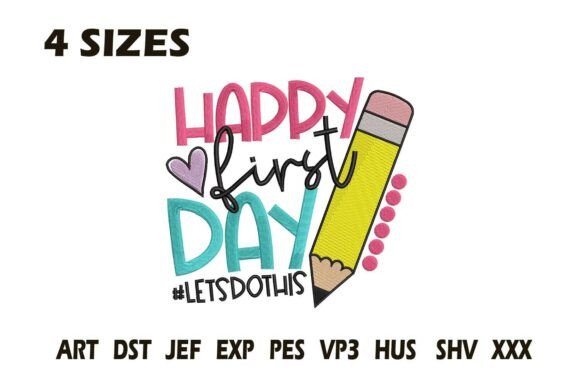
When you first open the embroidery file in your digitizing software, the immediate feeling is one of playful optimism. The layout is clean, avoiding the cluttered look that plagues many generic back-to-school designs. It feels like it belongs on a cheerful tote bag or a soft baby onesie rather than a heavy-duty work uniform. The typography is rounded and inviting, creating a sense of whimsy that resonates immediately with parents, teachers, and students alike.
For a designer looking to create a cohesive collection, this design offers a distinct visual personality. It doesn't scream "back to school" in a loud, aggressive way; instead, it whispers charm. This subtlety is crucial when you are building a brand identity for a handmade shop. You want your customers to feel an emotional connection before they even read the text. The shape of the design allows it to sit comfortably in the center of a garment or the corner of a kitchen towel without overwhelming the surrounding space.
Real-World Application: From Digital File to Finished Product
I recently tested this design on a custom order for a local artisan selling custom apparel. The client wanted a series of items for a teacher appreciation week, including aprons, tote bags, and sweatshirts. Using the Happy First Day Embroidery Design allowed us to maintain a consistent theme across different mediums while adapting the aesthetic to each material.
- Tote Bags: On canvas totes, the design stood out beautifully. The contrast between the thread colors and the natural fabric texture created a tactile appeal that photographs well for Etsy listings.
- Sweatshirt Embroidery: When moved to fleece, the fill stitches held their shape perfectly. There was no puckering, which is a common issue with lower-quality files on stretchy fabrics. It looked professional and ready for retail.
- Baby Embroidery: We also tried it on soft cotton muslin for a baby shower gift. The detail level was gentle enough not to irritate sensitive skin but clear enough to be seen easily.
This versatility makes the Happy First Day Embroidery Design a strong candidate for commercial embroidery projects where a single design needs to span multiple product categories. Whether you are creating holiday gifts, wedding favors, or small shop products, the design adapts well to the scale of the item.
Where the Design Shines
The strength of this file lies in its balance of detail and simplicity. It avoids the trap of being too dense, which can make an embroidery project look stiff and unnatural. The use of satin stitch for the outlines gives it a polished edge, while the fill stitch areas provide a soft, plush texture that invites touch. This is particularly important for handmade products where the customer expects a high-quality finish.
For digital product sellers, the design serves as excellent design assets for creating mockups. Because the lines are crisp and the spacing is logical, it translates well into printable mockups used to preview finished goods before production begins. It helps buyers visualize the final result, increasing engagement and trust in your online store.
Critical Considerations and Potential Pitfalls
While the design is charming, no file is perfect for every scenario. As an experienced reviewer, I need to point out where you should exercise caution. If you plan to use this for embroidered patches or items that require frequent washing, you must pay close attention to the stabilizer choice. The design relies on a certain amount of structure to maintain its shape, and without proper backing, the threads might shift over time.
There are specific situations where this design might struggle:
- Small Hoop Sizes: If you are working with a very limited hoop area, some of the finer details in the lettering might get lost or become difficult to stitch accurately.
- Textured Fabrics: While it works well on smooth cottons and poly-cotton blends, highly textured fabrics like chunky knits or rough burlap can obscure the details of the running stitch elements.
- Dark Fabric: Depending on the default thread colors provided in the file, the design might lack sufficient contrast on dark backgrounds. You may need to adjust the thread colors or add a underlay layer to ensure the design pops.
- Curved Surfaces: Applying this to a cap or a curved hat requires careful hooping techniques. The flat nature of the design might distort if the curvature of the hat is too extreme.
It is also worth noting that if you are using this for apparel decorators targeting tight budgets, you must verify the stitch density. High-density designs consume more thread and take longer to stitch, which can impact your profit margins on mass-produced items.
Practical Designer Notes for Implementation
Before you start stitching this design for a paying client or a large batch of gifts, there are several technical steps you must take to ensure success. First and foremost, always test the design on scrap fabric that matches your final material. This simple step can save you from ruining expensive inventory due to unexpected puckering or color clashes.
Review the stitch density in your software. If the file feels too dense for the fabric weight you are using, consider reducing the density slightly or switching to a lighter stabilizer. Conversely, if the fabric is thin or stretchy, you might need to increase the density or use a tear-away stabilizer to prevent distortion.
Check the licensing terms carefully. If you intend to sell finished items featuring the Happy First Day Embroidery Design, you must confirm that your license allows for commercial use. Many digital files come with restrictions that prohibit resale of the physical product. Ignoring these terms can lead to legal issues down the line.
Additionally, inspect the small details. Zoom in on the corners of the letters and any decorative accents. Are there loose threads or areas where the digitization looks jagged? If so, you may need to manually edit the file or choose a different design. For personalized gifts, clarity is key; a blurry initial or a misaligned word can ruin the sentiment of the piece.
Final Verdict on Value and Appeal
In the world of craft business and creative entrepreneurs, the right design can elevate a simple project into a premium product. The Happy First Day Embroidery Design succeeds because it captures a specific moment in time—the excitement of a new beginning—without feeling dated or overly trendy. It has a timeless quality that fits well within a Back To School collection or as a year-round accent piece.
For those looking to build a reputation for quality, this design offers a solid foundation. It enhances the perceived value of your finished product and encourages repeat purchases because customers appreciate the attention to detail. However, success depends on your execution. Proper stabilization, correct thread selection, and careful testing are non-negotiable.
If you are a maker looking to expand your offerings with something that brings joy and charm to everyday items, this is a worthy addition to your library. Just remember to respect the technical limitations of the machine and the fabric. With the right approach, the Happy First Day Embroidery Design can be a standout feature in your portfolio, turning ordinary fabrics into memorable keepsakes.