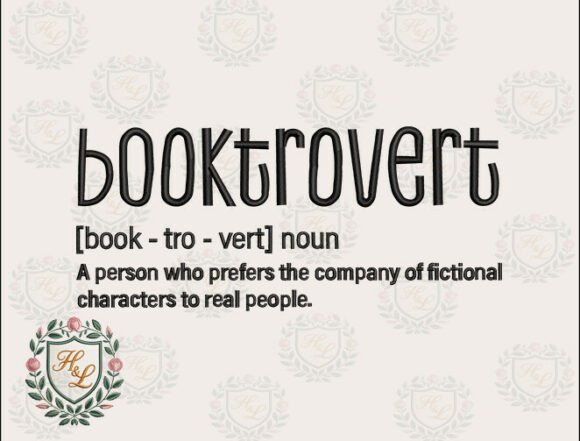
Booktrovert Embroidery Files Review
Setting up a booth for a weekend craft fair is equal parts excitement and anxiety. You want your handmade products to stop people in their tracks, but you also need items that are practical to produce in bulk without sacrificing quality. As an experienced embroidery designer who has spent years judging designs not just by how they look on a screen, but by how they perform under the needle and on a sales table, I approach every new digital embroidery file with a critical eye. Today, I am reviewing the Booktrovert Embroidery Files, a design set marketed toward those who love literature and cozy aesthetics. This review focuses on whether this design has the potential to become a best-selling craft fair product or if it is better suited for personal use.
First Impressions: The Appeal of Booktrovert
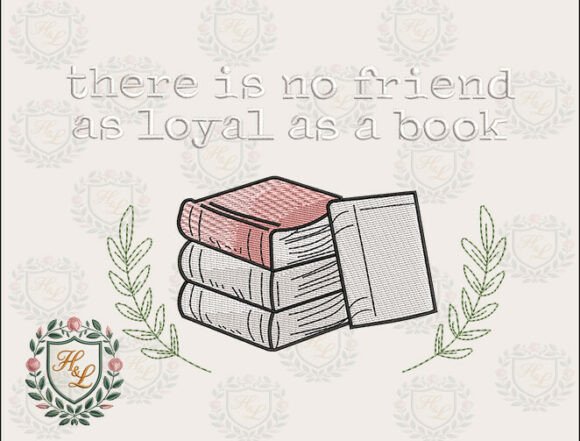
The title "Booktrovert" immediately signals a specific niche: introverted book lovers. In the world of handmade goods, specificity sells. While broad appeal is nice, targeting a passionate community like readers often yields higher conversion rates at markets. Based on the description highlighting high-quality digital appliqué, this design likely balances whimsy with structure. For a machine embroidery design, the first impression is crucial. Does it look clean? Is it too busy? From what we know, this design leans into a cute, perhaps slightly rustic or modern farmhouse aesthetic, perfect for creating a warm, inviting vibe at your booth.
When evaluating any embroidery file, I look for immediate visual clarity. A good design should be recognizable from three feet away. If the details get lost in the stitch work, customers might walk past your table. The Booktrovert concept suggests a focal point that is both decorative and sentimental, making it ideal for gifting. It feels premium enough to justify a higher price point on a finished product, which is essential for covering your material costs and time.
Product Applications and Market Potential
To determine the true value of these files, we must look at where they can be applied. A versatile design asset opens up multiple revenue streams. Here is how I see the Booktrovert design performing across various handmade product categories:
- Tote Bag Design: Canvas tote bags are the bread and butter of many craft fairs. They are durable, popular, and provide a large, flat surface area for embroidery. Placing the Booktrovert design centrally on a sturdy canvas bag creates an instant statement piece. It photographs beautifully for online listings and looks substantial in person. The contrast between the fabric texture and the smooth stitches of the appliqué will make this a standout item.
- Apron Embroidery: Kitchen aprons are another staple. However, placement is key here. A chest-level pocket embroidery allows the design to be seen while cooking, adding a touch of personality to daily routines. This appeals to buyers looking for functional yet cute kitchen decor.
- Tea Towel Embroidery: Linen or cotton tea towels offer a different texture. The design needs to hold up well against the weave of the fabric. If the Booktrovert file includes fine details, ensure they are robust enough not to disappear into the towel’s texture. These make excellent impulse buys at checkout counters.
- Embroidered Patch: Creating a detachable patch version of the design adds versatility. Customers can sew it onto jackets, hats, or backpacks. This increases the perceived value of the product, as one design becomes two potential items.
- Pillow Covers and Pouches: Small home accents like pillow covers allow for larger, more intricate displays. Fabric pouches, perhaps for holding books or writing utensils, cater directly to the target audience’s lifestyle. These smaller items are great for moving inventory quickly when prices are lower.
Production Practicality and Quality Control
As a seller, efficiency is money. A design that takes four hours to embroider per unit may not be profitable unless priced very high. When testing the Booktrovert files, pay close attention to the stitch density. High-density fills can cause puckering, especially on thinner fabrics like tea towels or light cotton tees. If the design is dense, you must use a cut-away stabilizer to maintain structural integrity. Conversely, if it is a lightweight fill, it might lack the tactile quality that makes embroidered goods feel luxurious.
Another critical factor is the hoop size. Ensure the design fits comfortably within standard hoops (such as 5x7 or 6x10 inches) to maximize production speed. Smaller hoop sizes generally mean faster turnaround times, allowing you to batch-produce items more efficiently. Also, consider the thread colors. Do the provided colorways pop against common fabric choices like cream, navy, sage green, or black? High contrast usually sells better because it catches the eye from a distance.
Before committing to mass production, always create at least one real mockup. Digital previews can be misleading. A printable mockup is useful for planning your Etsy listing, but nothing replaces seeing the actual thread sheen and stitch definition on physical fabric. Inspect the edges of the appliqué for cleanliness and check for any loose threads or tension issues.
Selling Points and Customer Engagement
At a craft fair, your ability to engage customers verbally is just as important as the product itself. The Booktrovert design offers a natural conversation starter. You can ask potential buyers, "What’s the last book you read?" or "Are you part of the 'booktrovert' club?" This emotional connection transforms a simple transaction into a shared experience. Products that resonate with a hobby or identity tend to have less price sensitivity.
For Etsy sellers and small shop owners, this design also lends itself well to seasonal marketing. While categorized under Back To School themes due to its academic/reading association, it can be marketed year-round as a gift for teachers, librarians, or avid readers. During the holiday season, packaged nicely with a bookmark or a small bookish trinket, it becomes a premium gift set.
Careful-Use Notes for Designers
Even the best designs have limitations. Be mindful of tiny details or small lettering within the file. At smaller sizes, text can become illegible, frustrating the buyer. If the design relies on subtle shading, ensure your machine and threads can reproduce it accurately. Avoid placing complex designs on highly textured fabrics like heavy boucle wool, as the background noise will obscure the artwork. Additionally, always confirm commercial licensing terms before selling finished products. Some digital assets are restricted to personal use only, and violating these terms can lead to legal issues.
Final Verdict
The Booktrovert Embroidery Files appear to be a strong contender for anyone looking to expand their lineup of literary-themed goods. With its clear niche appeal and versatility across multiple product types—from tote bags to apron embroidery—it offers solid potential for a successful commercial embroidery venture. By carefully testing the stabilizer choice, verifying the thread colors, and ensuring the design translates well to physical fabric, you can create a cohesive brand presence that resonates with book lovers everywhere. For the savvy maker, this is not just a design; it is a gateway to connecting with a dedicated community through the art of embroidery.