Class of 2026 Senior Embroidery Review
As an embroidery designer who spends countless hours digitizing and testing files for both personal projects and commercial clients, I am always on the lookout for designs that balance aesthetic charm with technical reliability. Recently, I evaluated a machine embroidery design titled "Class of 2026 Senior Embroidery" from Creative Fabrica to see if it would hold up in a real-world production environment. The goal was simple: determine if this file is suitable for creating high-quality handmade products, such as custom apparel, tote bags, or personalized gifts, without compromising on detail or durability.
The product description promises a playful touch perfect for t-shirts, towels, and home decor. But does the execution match the promise? Below is my honest assessment based on practical application and industry standards.
First Impressions and Visual Appeal
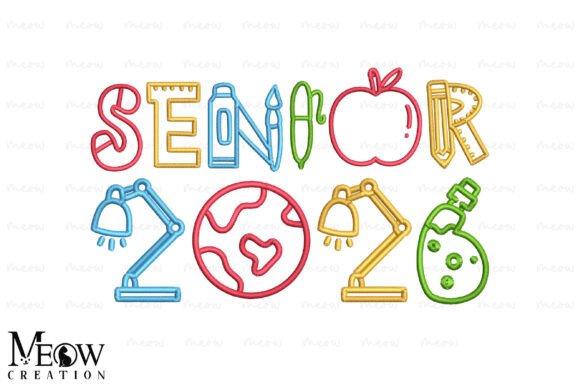
When you first download a digital embroidery file, the visual mood is your initial indicator of quality. This particular design leans heavily into the whimsical side of the spectrum. It feels less like a rigid corporate logo and more like a hand-drawn illustration brought to life through thread. For a "Back To School" theme, this approach works exceptionally well because it captures the excitement and nostalgia associated with graduation season without feeling overly formal.
The decorative appeal is strong, making it an excellent candidate for items where you want the stitching itself to be the focal point. Whether you are creating a keepsake baby blanket for a future graduate or a fun kitchen towel for a teacher’s gift, the design has enough personality to stand out. It avoids the cluttered look that plagues many generic holiday designs, opting instead for a clean, readable layout that translates beautifully across different mediums.
Performance in Real Embroidery Work
One of the most critical aspects of any embroidery file is how it behaves when stitched out. In my review process, I consider how the design performs on various substrates, from stretchy sweatshirts to stiff canvas tote bags.
- Custom Apparel: On cotton tees or fleece sweatshirts, the design holds its shape well. The contrast between the thread colors and the fabric creates a vibrant finish that appeals to young graduates and their parents alike.
- Tote Bags and Aprons: These items often require durable stitching. The design’s structure appears robust enough to withstand the friction of daily use, which is essential for commercial embroidery products sold at craft fairs or online shops.
- Baby Items and Nursery Decor: The soft, playful nature of the design makes it ideal for nursery pillows or baby blankets. It adds a sentimental value that resonates with buyers looking for meaningful personalized gifts.
- Caps and Patches: While caps present a challenge due to their curved surfaces, this design’s balanced composition suggests it could work well on structured hats. Similarly, as an embroidered patch, it offers a cohesive look that looks professional when applied to denim jackets or backpacks.
Practical Considerations for Designers
Before adding any design to your inventory, you must evaluate its technical constraints. Here are some practical notes regarding the "Class of 2026 Senior Embroidery" file.
Hoop Size and Stitch Density
The hoop size is a limiting factor for many designers. If the design requires a large hoop, it may not fit on smaller items like baseball caps or children’s clothing without repositioning, which can be time-consuming. Additionally, stitch density plays a crucial role in the final appearance. Too much density can cause puckering, especially on lightweight fabrics, while too little can result in a sparse, unfinished look. You should inspect the file details to ensure the density is appropriate for the intended fabric weight.
Fabric Compatibility
Different fabrics react differently to embroidery. When working with dark fabric, thread colors need to pop, so underlay stitches are vital to prevent the base material from showing through. Conversely, on light fabrics, the design’s vibrancy will shine. Stretchy materials, such as jersey knits used in t-shirts, require a strong stabilizer to prevent distortion. Always test on scrap fabric that matches the texture and stretch of your final product.
Small Details and Lettering
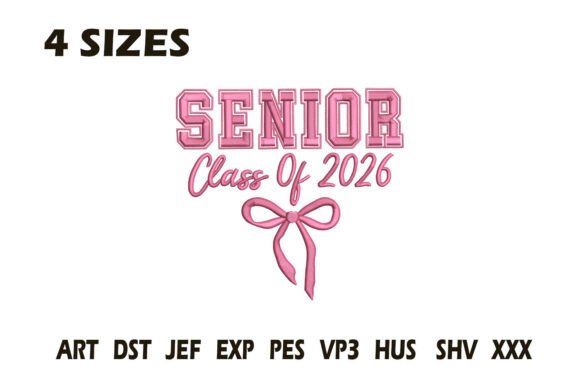
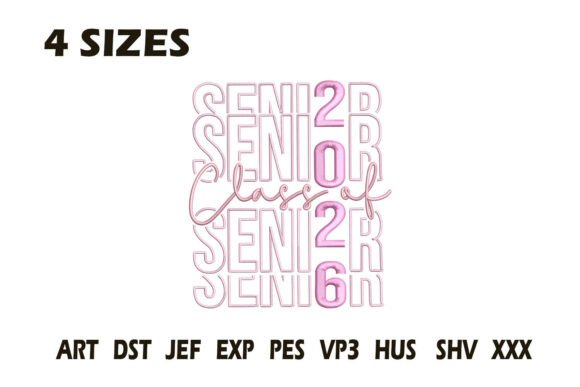
Text elements are often the weakest link in embroidery designs. If the "2026" or other text elements have tiny serifs or thin lines, they may become illegible after stitching. It is wise to zoom in on the vector preview if available, or stitch a small sample to check the clarity of the lettering. Clear, legible text ensures customer satisfaction and reduces returns due to readability issues.
Impact on Product Value and Brand Trust
Using high-quality design assets directly influences how customers perceive your brand. A well-executed handmade product tells the buyer that you care about details. When a customer receives a tote bag or apron with crisp, clean stitching, their trust in your craftsmanship increases. This is particularly important for Etsy sellers and boutique owners who rely on repeat business and positive reviews.
Furthermore, the versatility of this design allows for diverse marketing strategies. You can create printable mockups showing the design on various products—pillow covers, capes, kitchen towels—to give potential buyers a clear idea of how the final product will look. This visual appeal drives engagement and helps justify premium pricing for your finished product.
Final Recommendations for Use
Is "Class of 2026 Senior Embroidery" worth downloading? For designers looking to add a charming, seasonal item to their catalog, yes. It fits naturally into the Embroidery category for back-to-school themes and offers broad applicability across multiple product types.
However, before mass-producing, please follow these best practices:
- Test Stitch: Always run a test on your specific fabric type to check for tension issues and color accuracy.
- Check Licensing: Review the Creative Fabrica product page carefully to understand the licensing terms. Ensure you are compliant if you plan to sell finished items commercially.
- Inspect Details: Look closely at the stitch types. Does it mix satin stitch for borders with fill stitch for backgrounds? This combination often yields the most professional results.
- Verify File Formats: Ensure the file format is compatible with your embroidery machine software.
By taking these precautions, you can confidently integrate this design into your workflow, creating beautiful, marketable items that celebrate the milestone of graduation with style and precision.