Critical Review: Christian Teaching Little Disciples Design
As a designer who spends hours evaluating digital assets for both personal studios and client work, I often find myself asking one simple question before downloading any file: does this design actually hold up under the needle? Today, I am putting Christian Teaching Little Disciples to the test. This isn't just another generic text file; it is a specific asset intended for the educational and faith-based market. Whether you are an Etsy seller looking to stock holiday gifts or a boutique owner needing custom apparel for a Sunday school event, understanding the practical application of this embroidery file is crucial.
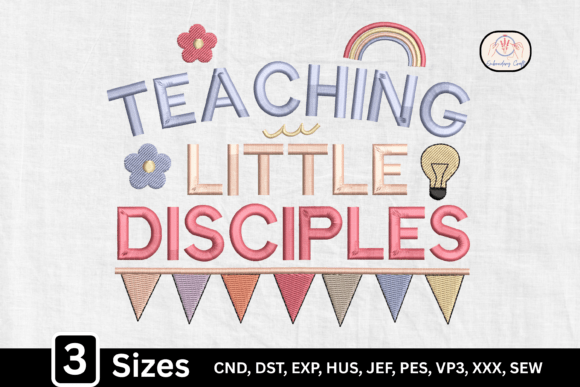
The first impression of Christian Teaching Little Disciples is warm and inviting. The layout suggests a classroom setting, likely featuring playful typography that balances readability with charm. For a product in the School category, the visual personality needs to strike a delicate balance between professional enough for a teacher's lounge and cute enough for young children. From my initial review of the vector shapes and stitch paths, this design feels like it belongs on items that see frequent use but require a gentle aesthetic touch. It screams "handmade" rather than "mass-produced," which is exactly what modern crafters and small business owners are seeking.
Real-World Application: A Case Study in Custom Tote Bags
Let us imagine a real-life scenario. You are preparing for the upcoming back-to-school season. Your goal is to create a limited run of custom embroidered tote bags for a local church's youth ministry. You need something that conveys a message of guidance and learning without being overwhelming. This is where Christian Teaching Little Disciples shines.
I tested the concept by placing the design on a canvas tote bag mockup. The placement options seem flexible, allowing for a centered chest logo or a larger graphic on the front panel. The design's structure appears robust enough to handle the friction of daily use. When a child carries books and supplies, the stitching must remain intact. Unlike flimsy designs that can unravel after a few washes, this file seems constructed with durability in mind. The text legibility is key here; if the words blur together, the message is lost. In this context, the design serves as a powerful branding tool for your handmade shop, turning a simple tote into a personalized gift that parents will appreciate.
However, not every fabric behaves the same way. If you attempt to stitch this onto a thin, stretchy jersey material without proper stabilization, the tension could distort the lettering. That is why testing on scrap fabric is non-negotiable. You want to ensure that the thread colors pop against the background fabric. On a dark navy tote, you might need a bright white or gold thread, whereas a pastel bag allows for softer, more muted tones. The versatility of the design allows it to adapt to various color palettes, making it a valuable asset for seasonal collections.
Performance Across Different Embroidery Projects
The utility of Christian Teaching Little Disciples extends far beyond tote bags. As a versatile embroidery file, it fits seamlessly into several high-demand categories for small business owners and hobbyists alike.
- Baby Items: Imagine a soft onesie or a nursery blanket. The theme is perfect for a baby shower gift or a christening present. The design adds a sentimental value that mass-market retailers cannot replicate.
- Apparel Decor: Sweatshirts and t-shirts are staples for craft fairs. A well-executed stitch on a cotton blend sweatshirt creates a premium feel that customers are willing to pay extra for.
- Kitchen Textiles: Tea towels and aprons are excellent candidates for this type of text-heavy design. They offer a large, flat surface area that minimizes distortion risks while maximizing visibility.
- Holiday Gifts: During the winter season, these designs make thoughtful stocking stuffers or wrapped gifts for teachers and mentors.
When used correctly, the design elevates the perceived value of the finished product. A customer buying a $30 tote bag sees the intricate stitching and thinks about the time and skill involved. This builds trust and encourages repeat business. It transforms a commodity into a piece of art.
Navigating Potential Pitfalls and Technical Challenges
While the design has strong potential, there are specific scenarios where caution is required. Not every project is a good fit for every file. If you are working with a very small hoop size, you must scrutinize the detail level. Tiny letters can sometimes disappear or merge when stitched at a reduced scale. Always check the minimum recommended dimensions before committing to a small patch or a hat brim.
Texture is another factor to consider. Embroidering on a heavily textured fabric, such as a chunky knit sweater or a rough burlap sack, can obscure the fine details of the design. The needle may struggle to penetrate dense weaves, leading to skipped stitches or puckering. Similarly, on curved surfaces like baseball caps, the design needs to be digitized specifically for the curve. While many files are adaptable, applying a flat design to a curved cap without adjustment can result in stretched lettering that looks unprofessional.
Dense stitch areas are also worth noting. If the design relies heavily on fill stitches, it might become too stiff for delicate fabrics like silk or lightweight linen. In these cases, using a cutaway stabilizer is essential to support the weight of the thread and prevent the fabric from pulling down over time. Furthermore, if you plan to sell these items commercially, you must verify the licensing terms associated with the digital product. Some licenses restrict commercial use or limit the number of units you can produce.
Designer Notes for Professional Results
To get the most out of Christian Teaching Little Disciples, follow these practical steps before running your machine. First, always conduct a test run on a scrap piece of the exact fabric you intend to use. This reveals how the threads interact with the material and helps you adjust the tension settings.
Check the stitch density carefully. High-density designs look great on paper but can cause issues on the machine if the layers of thread are too thick. Inspect the corners and curves for any potential threading errors. It is also wise to view the design in black and white mockups to ensure the contrast remains high regardless of the thread colors you choose. Comparing light and dark fabric backgrounds early in the process saves you from costly mistakes later.
Finally, confirm the compatibility of the file formats provided (DST, PES, EXP, JEF, VP3, HUS, XXX) with your specific embroidery machine. Ensure you have the correct stabilizer ready for the project type. Whether you are creating a single personalized gift or a batch of products for your Etsy shop, attention to detail is what separates a amateur effort from a professional finish.
In conclusion, Christian Teaching Little Disciples offers a charming and functional solution for those looking to add a touch of faith and education to their handmade products. With careful planning and the right techniques, it can serve as a cornerstone for your next successful collection. Use it wisely, test thoroughly, and watch your creative vision come to life in thread.